
Redesigning Complexity Into Clarity
Redesigning Complexity Into Clarity
Rebuilt a complex process into a seamless, automated flow reducing workload by 50% through smart UX and intuitive interactions.
Rebuilt a complex process into a seamless, automated flow reducing workload by 50% through smart UX and intuitive interactions.
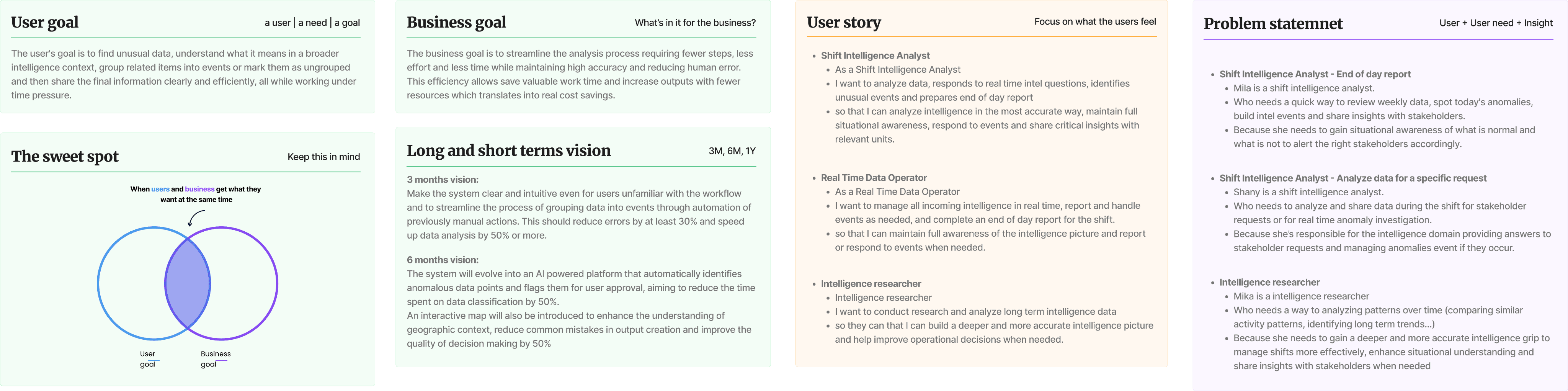
Role
Product Designer
Product Designer
Duration
~ 5 months
~ 5 months
Team
Product Designer (me) + 1 PM + 5 FE + 5 BE
Product Designer (me)
1 Product Manager
5 Front end
5 Back End
Product Designer (me)
+ 1 PM + 5 FE + 5 BE
Daily Analysis System for Critical Field Data
Daily Analysis System for Critical Field Data
The Evolution system is a military data platform used daily by analysts to manage and classify operational inputs. The original system was unintuitive, time consuming and not user-friendly. Users had to memorize complex workflows, switch between disconnected tools and operate without clear support from the interface.
The Evolution system is a military data platform used daily by analysts. The original system was unintuitive and time consuming. Users had to memorize complex workflows, switch between disconnected tools and operate without support from the interface.
Where Time and Focus Were Lost
Where Time and Focus Were Lost
The original system was difficult to navigate and relied on complex, non-intuitive workflows. Users had to remember unclear steps, switch between disconnected tools and perform repetitive actions without guidance from the interface. This led to cognitive overload, inconsistent processes and significant time waste especially in time sensitive environments.
The original system relied on complex,
non-intuitive workflows. Users had to remember unclear steps, switch between disconnected tools resulting in significant time waste especially in time sensitive environments.
Their Experience, Our Map
Their Experience, Our Map
Their Experience, Our Map
The process involved multiple iterations and workshops to reveal what users truly need beyond the system they were used to. We used sticky note mapping and scenario based interviews to pull the process out of their heads and into clear, structured flows. This helped us disconnect from the existing tool and design a simpler, faster and more focused experience that fits the real work.
Through iterative workshops and scenario based interviews. we translated users mental workflows into structures flows-enabling a simpler, faster experience aligned with real work.
Making the Implicit Explicit
Making the Implicit Explicit
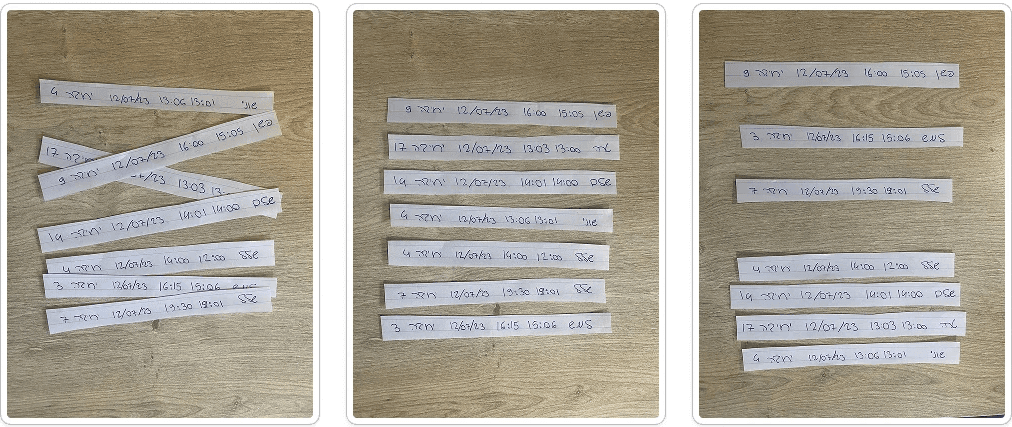
At first, users said the grouping process was “too complex” to explain.
But when I asked them to group printed signals on paper, they were suddenly able to describe how they did it - usually based on a short time range (up to 5 minutes) and only when there were at least 3 signals.
During the exercise, I also observed which specific values they relied on, insights that hadn’t come up in earlier conversations.
At first, users said the grouping process was “too complex to explain".
When asked to group printed signals on paper, their logic became clear - Usually based on a short time ranges (up to 5 minutes) and only minimum of 3 signals.
Later, this exact logic was turned into a smart automation that now saves them hours of manual work every day!
This exercise revealed implicit decision rules that hadn't surfaced in interviews. We translated this logic into smart automation, saving hours of manual work each day.
Too Much Switching Causing Cognitive Overload
Too Much Switching Causing Cognitive Overload
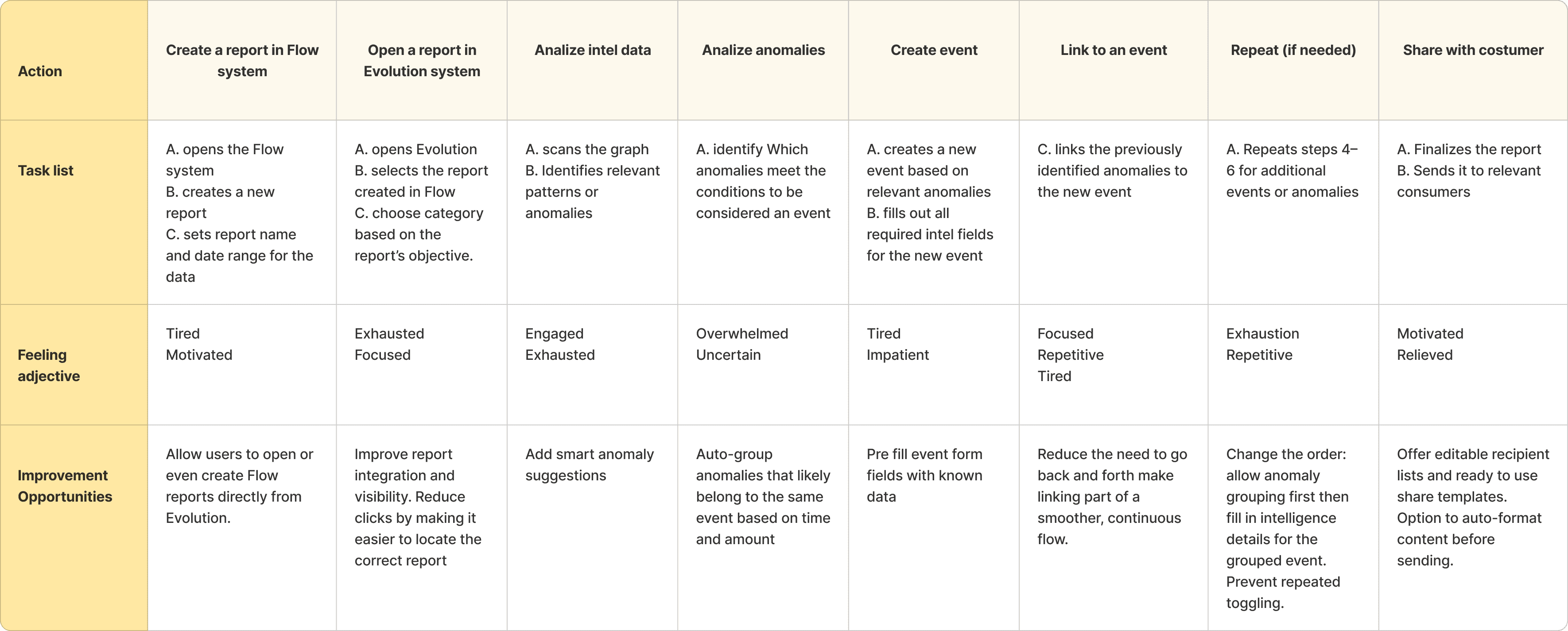
The workflow demanded constant context switching, between systems, screens and mental tasks. Analysts had to manually connect dots, remember details across steps and move back and forth repeatedly to group anomalies into events. The process was exhausting and error prone.
The workflow demanded constant context switching, between systems, screens and mental tasks. Analysts had to manually connect dots, remember details across steps and move back and forth repeatedly to group anomalies into events. The process was exhausting and error prone.
What Made Process So Frustrating, Hard and Slow?
What Made Process So Frustrating, Hard and Slow?
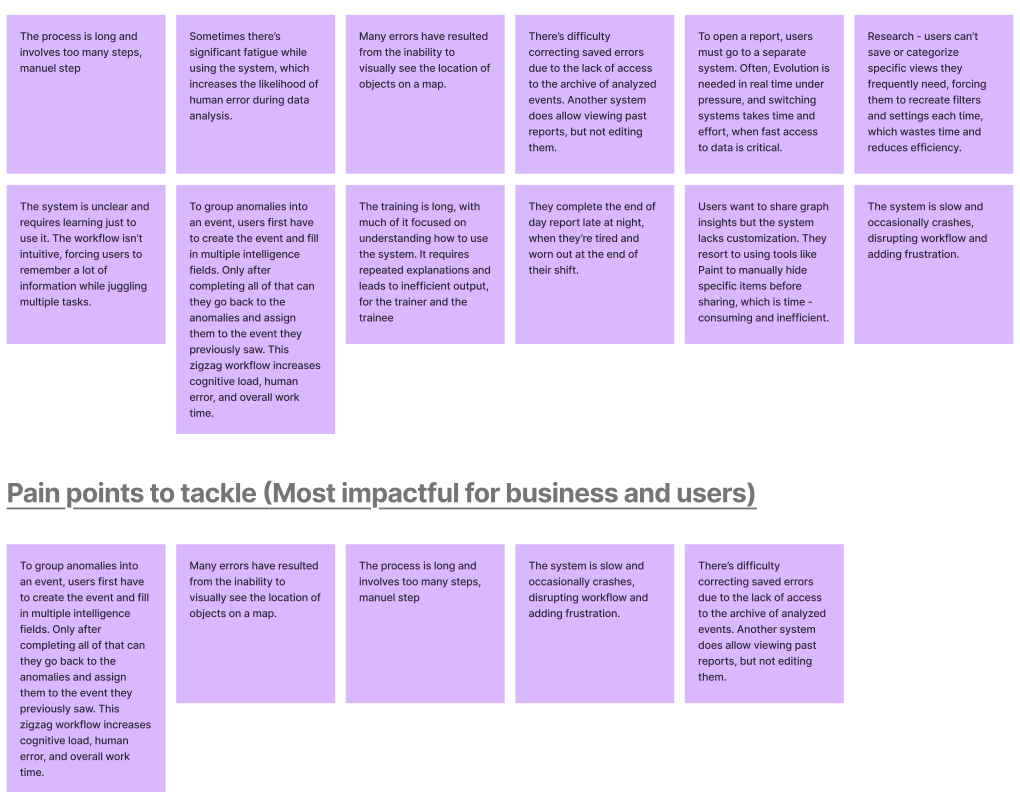
Early research revealed key pain points. Event creation was slow and unintuitive with too many steps and tool switches. Users juggled details between tasks causing high cognitive overload, errors and frustration. Saved reports couldn’t be edited so mistakes remained. The unclear UI and long workflows made simple tasks feel heavy.
Early research revealed key pain points. Event creation was slow and unintuitive with too many steps and tool switches. Users juggled details between tasks causing high cognitive overload, errors and frustration. Saved reports couldn’t be edited so mistakes remained. The unclear UI and long workflows made simple tasks feel heavy.
From Scattered Reports to Structured Intelligence
From Scattered Reports to Structured Intelligence
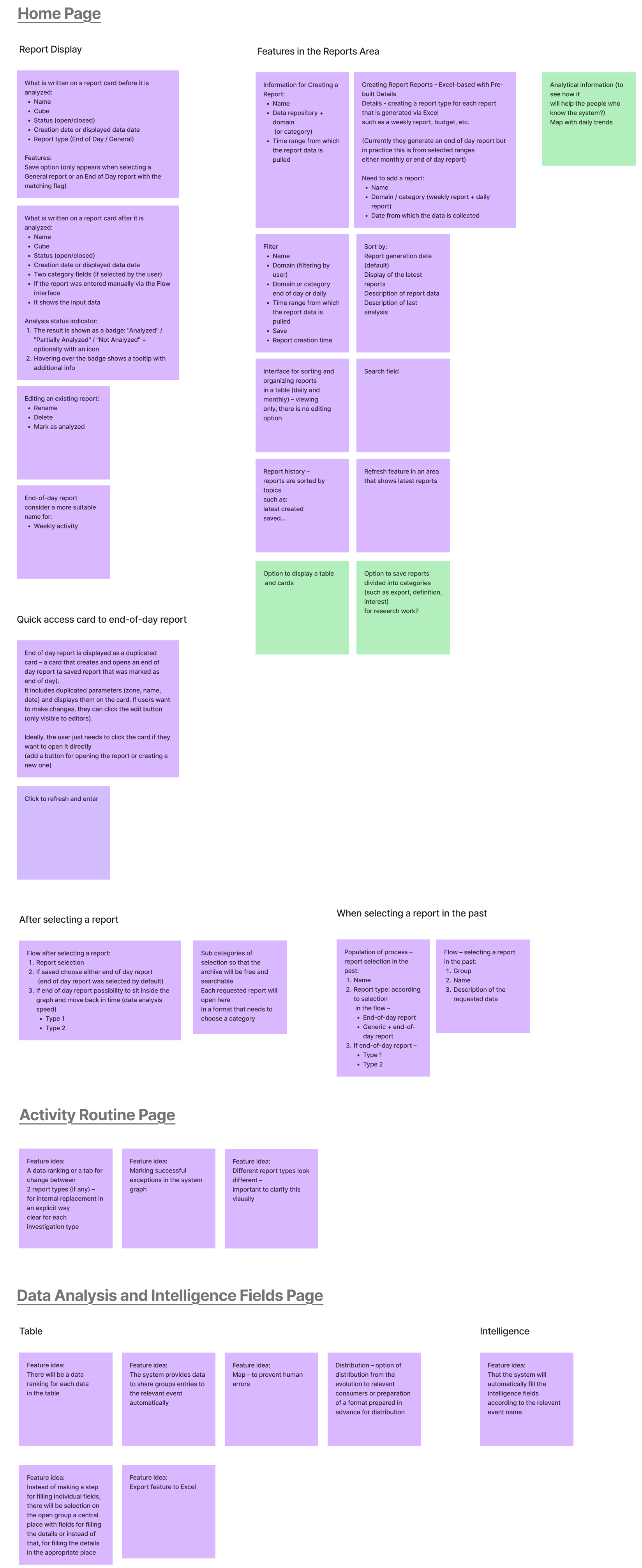
In the previous system users had to juggle multiple parameters, remember details and switch between screens to build or find a report. Through deep mapping of user flows and content structure, I redesigned the way data is organized and accessed, making it easier to locate, filter and generate reports. This reduced errors, saved valuable time and turned a cognitively demanding task into a smooth and intuitive experience.
In the previous system users had to juggle multiple parameters, remember details and switch between screens to build or find a report. Through deep mapping of user flows and content structure, I redesigned the way data is organized and accessed, making it easier to locate, filter and generate reports. This reduced errors, saved valuable time and turned a cognitively demanding task into a smooth and intuitive experience.
Design Strategy
Design Strategy
Design Strategy
The core strategy was to reduce friction and cognitive overload across key workflows. I prioritized intuitive navigation, minimized back and forth between systems and introduced smart automation to support intelligence tasks. Every design decision from information hierarchy to component structure was aimed at making complex reporting tasks faster, simpler and more user-friendly for analysts under pressure.
The core strategy was to reduce friction and cognitive overload across key workflows. I prioritized intuitive navigation, minimized back and forth between systems and introduced smart automation to support intelligence tasks. Every design decision from information hierarchy to component structure was aimed at making complex reporting tasks faster, simpler and more user-friendly for analysts under pressure.
Reduce app switching
Reduce app switching
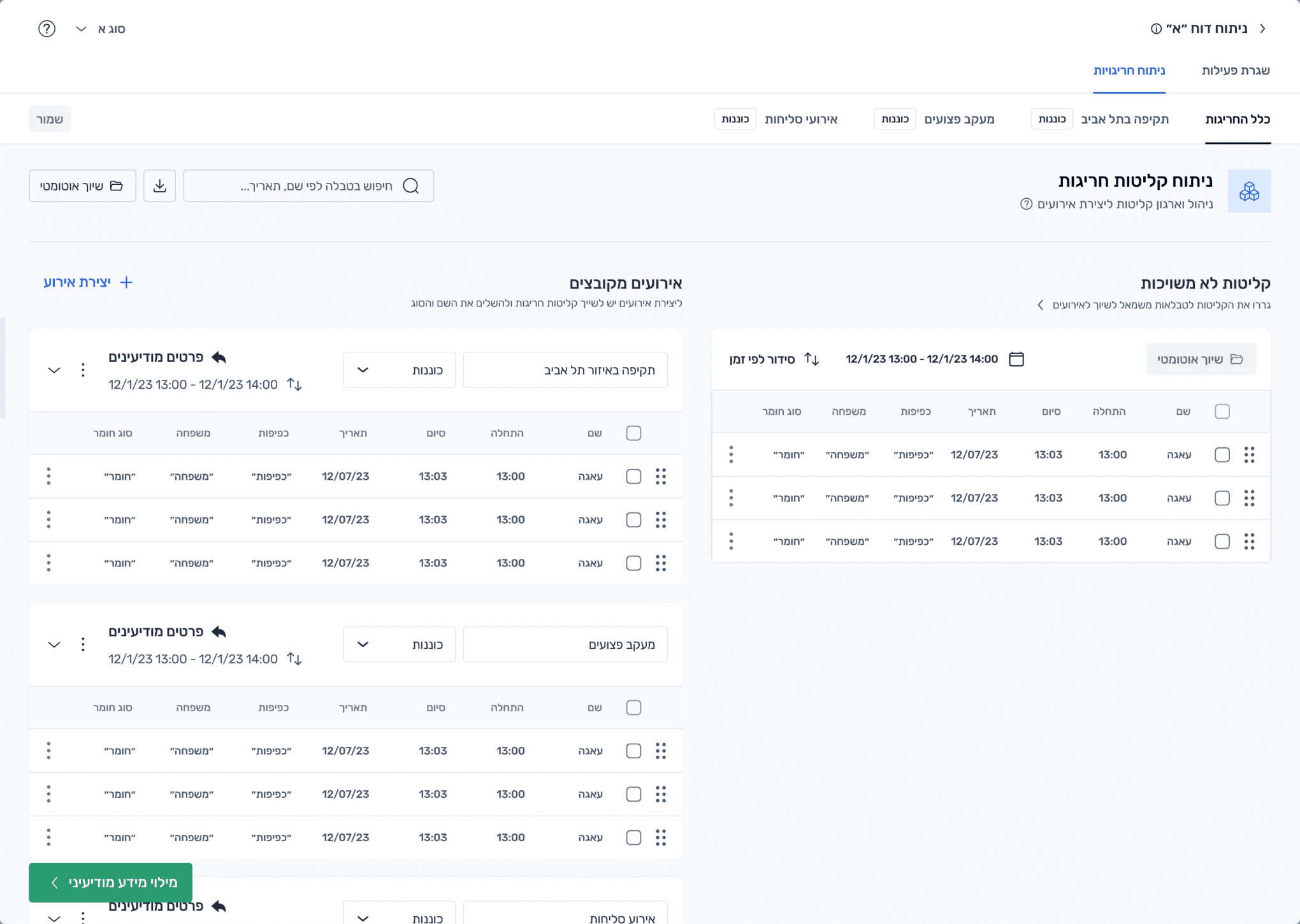
Report creation, once done in the external Flow system is now fully integrated into Evolution making the process faster, simpler and tailored to user needs.
Report creation, once done in the external Flow system is now fully integrated into Evolution making the process faster, simpler and tailored to user needs.
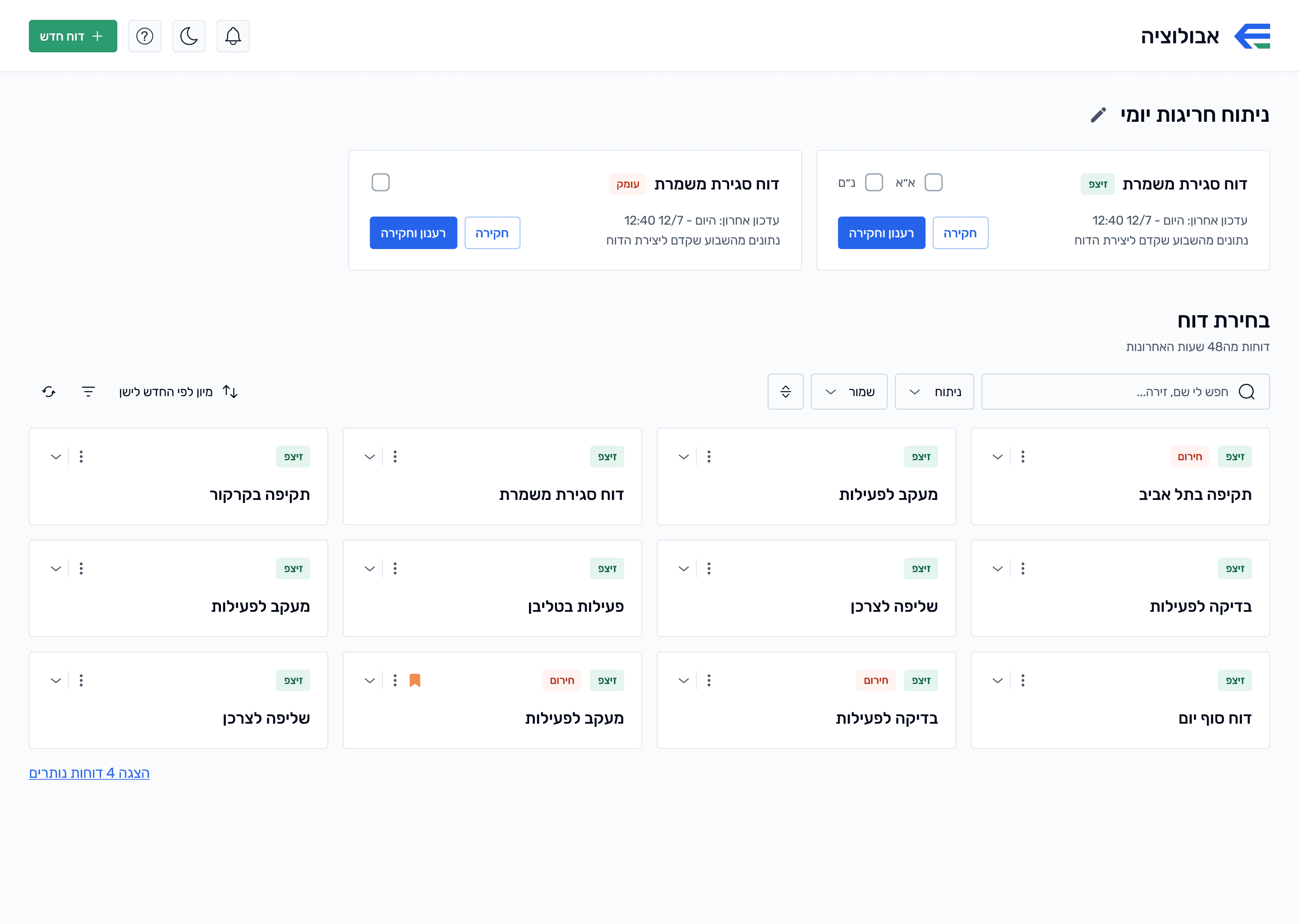
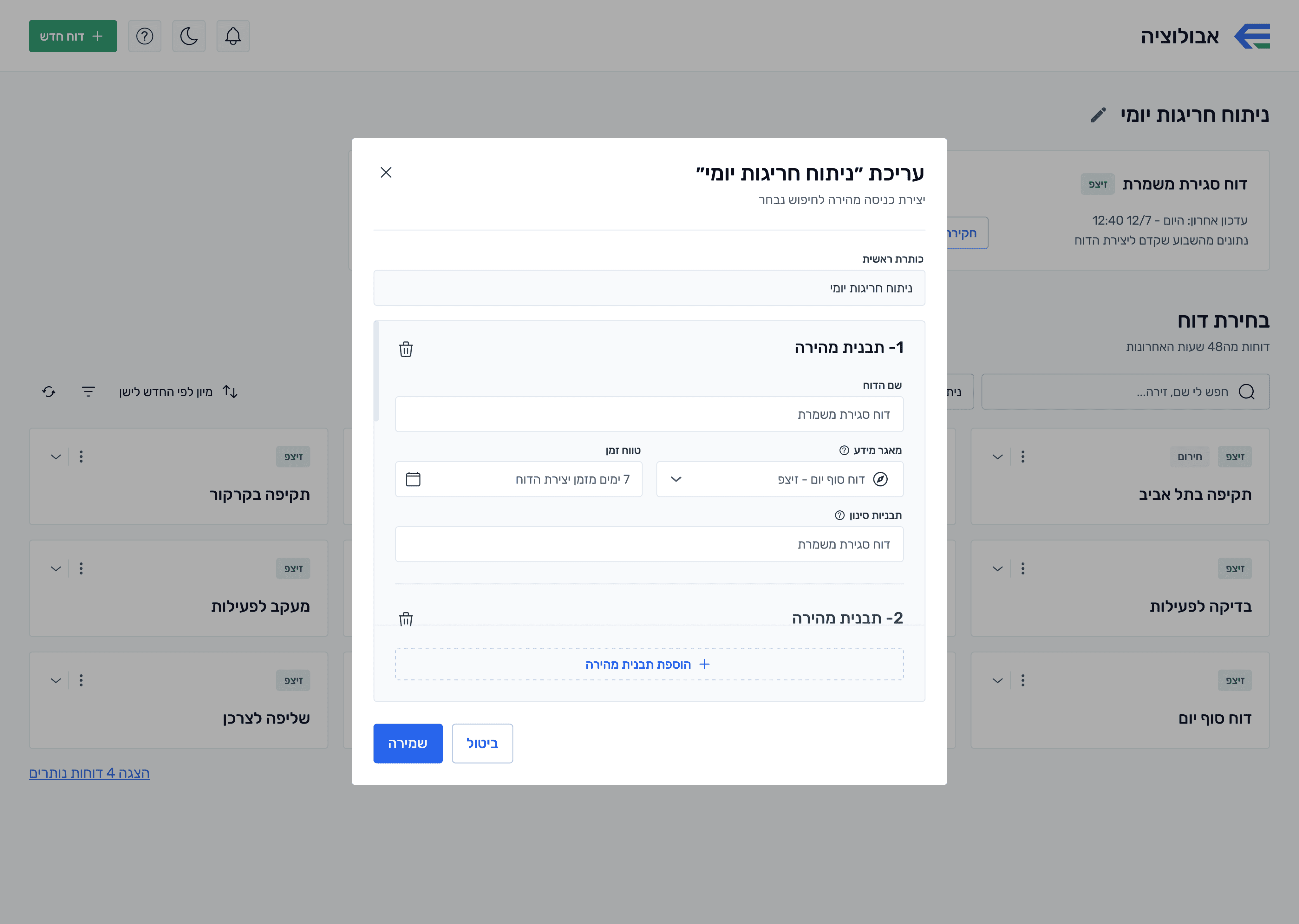
Reusable Report Presets with Edit Access
Reusable Report Presets with Edit Access
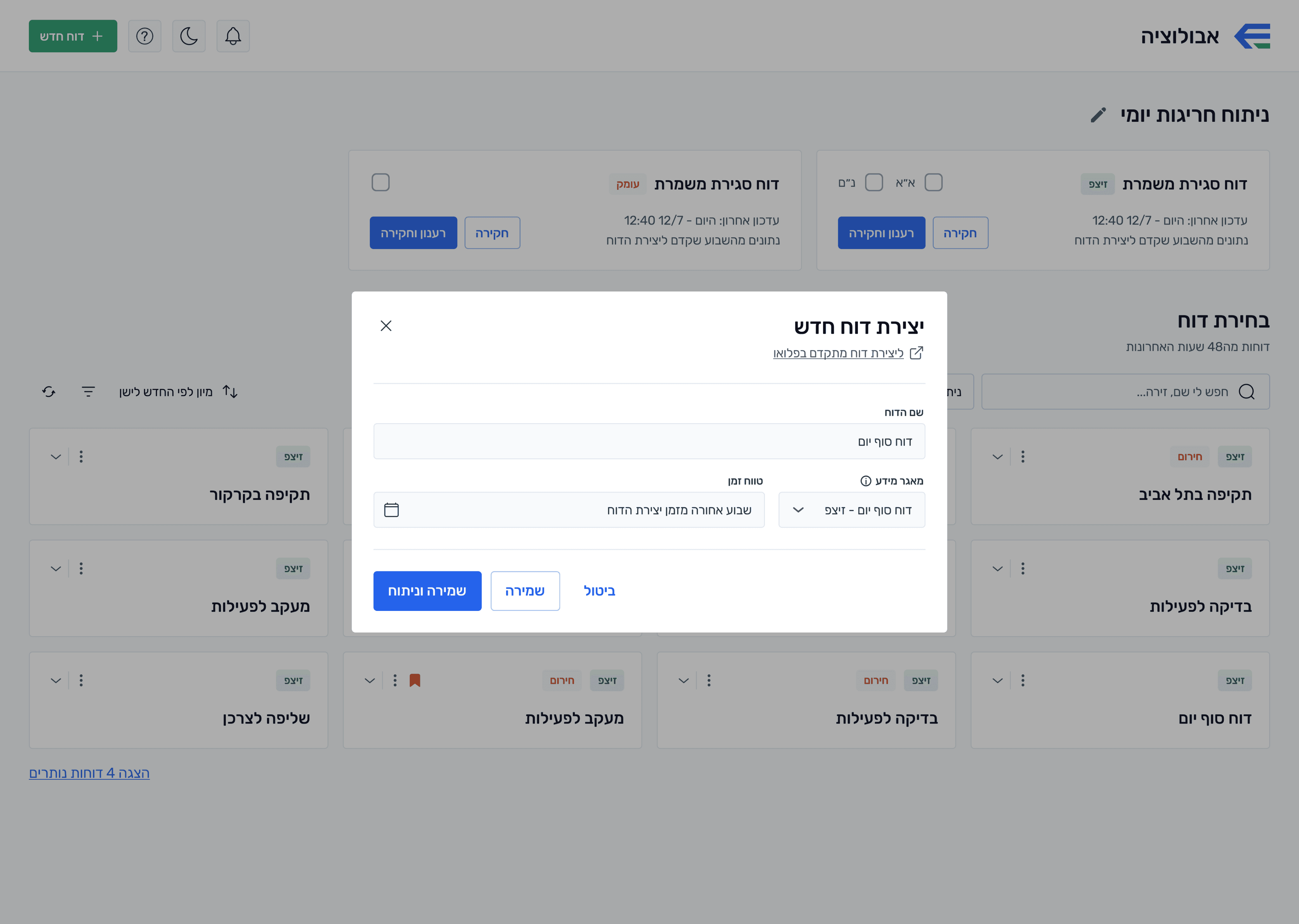
To streamline recurring tasks, users can now create and save report presets for frequent use. Authorized users can edit and update these templates as needed, saving time, effort and maintaining consistency across the team.
To streamline recurring tasks, users can now create and save report presets for frequent use. Authorized users can edit and update these templates as needed, saving time, effort and maintaining consistency across the team.
The Right Info, at the Right Time
The Right Info, at the Right Time
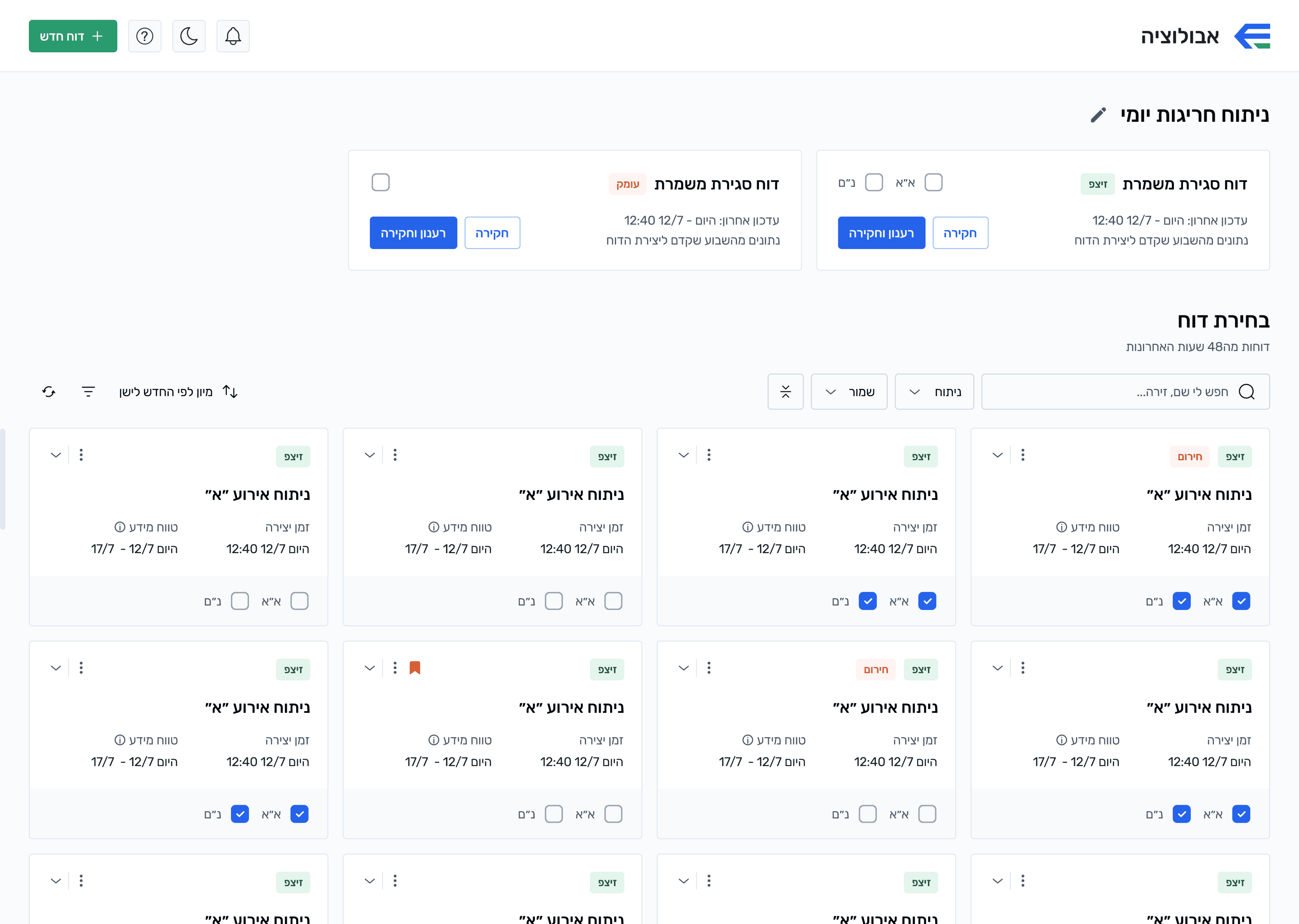
To reduce cognitive load, only essential report data is shown by default. Users can choose to reveal more when needed.
To reduce cognitive load, only essential report data is shown by default. Users can choose to reveal more when needed.
Clearer View, Smoother Flow
Clearer View, Smoother Flow
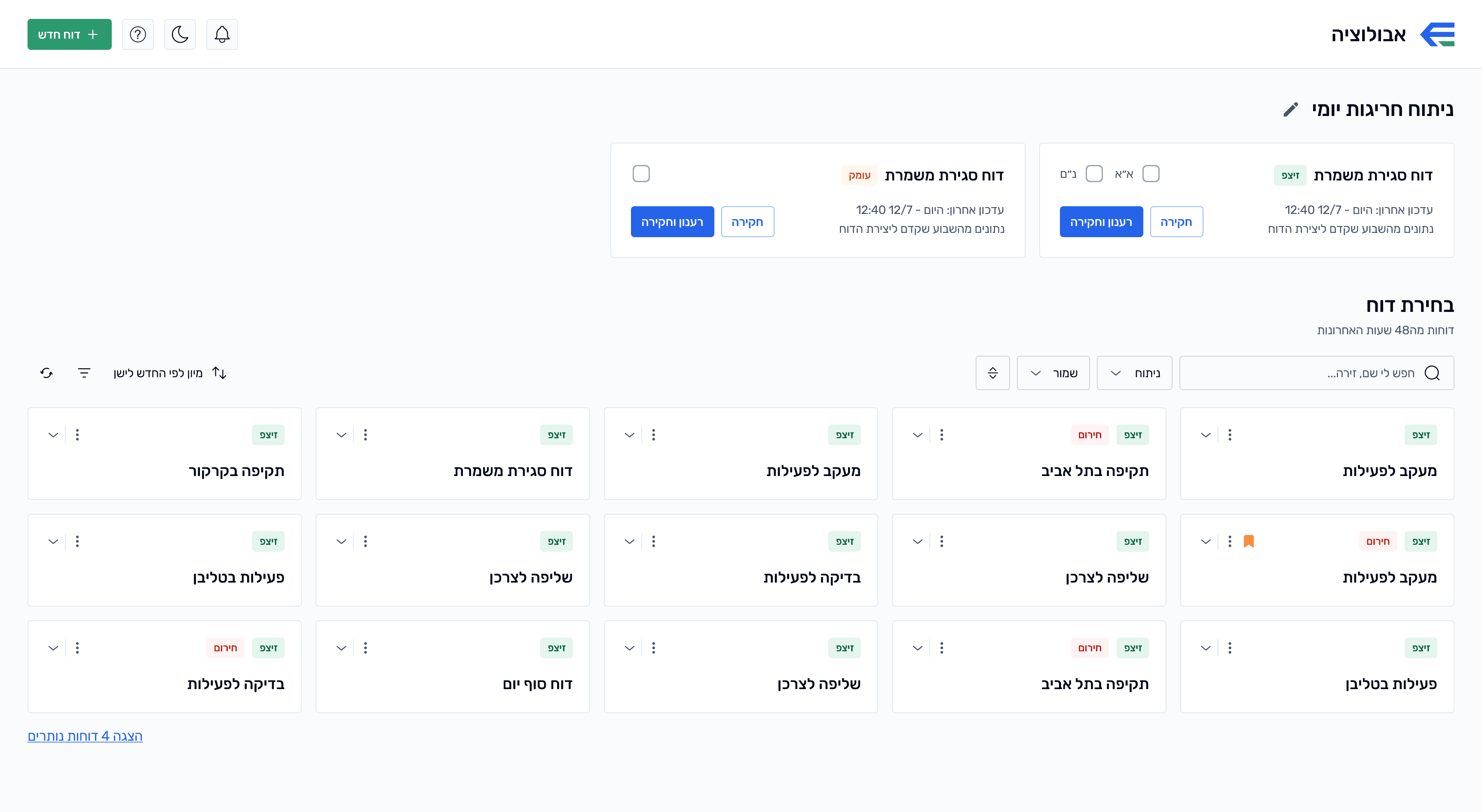
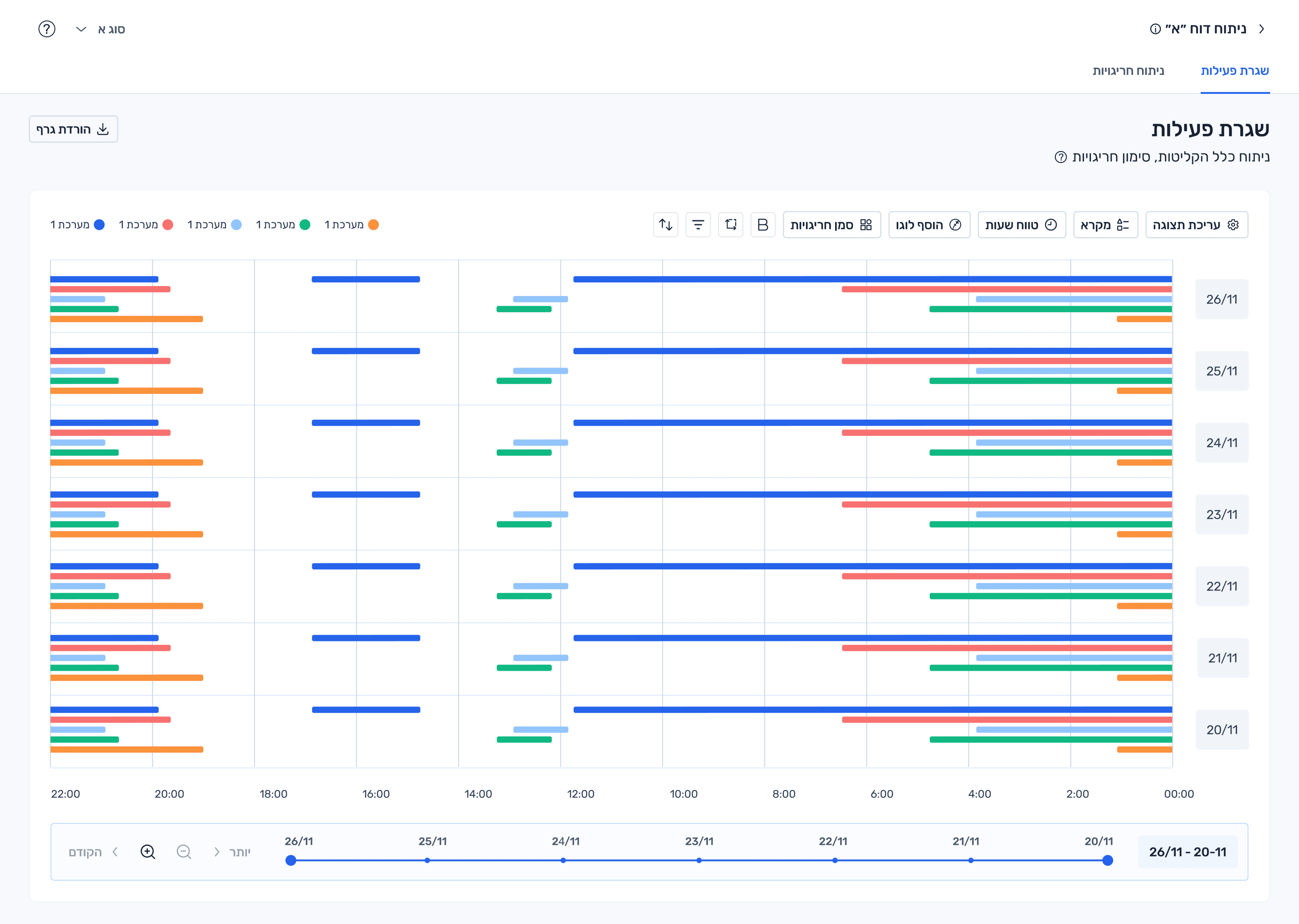
The new Activity Overview simplifies daily routines with a clean, intuitive layout that helps users focus and work more efficiently.
The new Activity Overview simplifies daily routines with a clean, intuitive layout that helps users focus and work more efficiently.
One Click, Hours Saved
One Click, Hours Saved
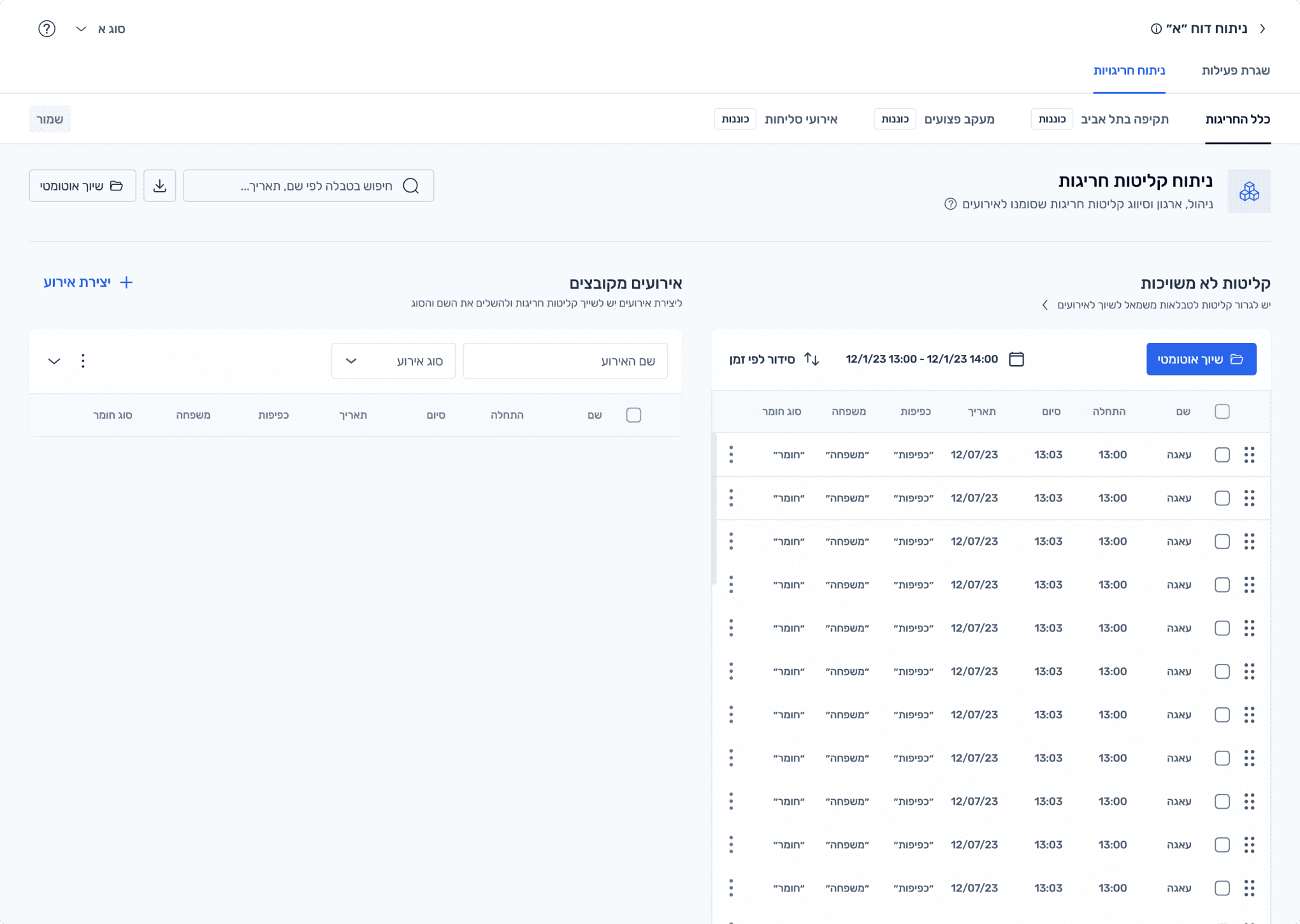
Event classification is now automatic based on logic learned from real user behavior. What once took hours and multiple screens now takes one click. Faster, clearer and fewer errors.
Event classification is now automatic based on logic learned from real user behavior. What once took hours and multiple screens now takes one click. Faster, clearer and fewer errors.
Outcomes
Outcomes
Cut Work Time in Half with Smarter, Simpler UX/UI
Cut Work Time in Half with Smarter, Simpler UX/UI
Redesigned a complex intelligence system into a streamlined, intuitive flow.
Reduced tool switching, simplified steps and automated event grouping cutting report time in half, easing cognitive load and boosting analyst efficiency.
Redesigned a complex intelligence system into a streamlined, intuitive flow.
Reduced tool switching, simplified steps and automated event grouping cutting report time in half, easing cognitive load and boosting analyst efficiency.
What This Project Taught Me
What This Project Taught Me
This project showed me the value of stepping users out of routine. With simple tools like sticky notes, I helped them shift from “how it’s done” to “what needs to happen”. Suddenly, complex tasks became easy to explain. We discovered overlooked truths like when intelligence details actually matter and built a system that’s faster, sharper and aligned with real user thinking.
This project showed me the value of stepping users out of routine. With simple tools like sticky notes, I helped them shift from “how it’s done” to “what needs to happen”. Suddenly, complex tasks became easy to explain. We discovered overlooked truths like when intelligence details actually matter and built a system that’s faster, sharper and aligned with real user thinking.